Sunday, June 14, 2026

Wet Room Bathroom Remodels: Are They Worth It for Northern Virginia Homes?

Wet Room Bathroom Remodels: Are They Worth It for Northern Virginia Homes?

Wet room bathroom remodels have moved from boutique hotels and luxury design magazines into real homes across Northern Virginia. Homeowners in Herndon, Reston, Fairfax, McLean, Vienna, Ashburn, Chantilly, Arlington, Alexandria, and surrounding communities are asking whether a wet room is a smart upgrade for a primary bathroom, guest suite, basement bathroom, or compact hall bath. The answer depends on the room, the construction details, the budget, and the way the household uses the space.

A wet room is a bathroom where the shower area is integrated into a waterproofed zone rather than separated by a traditional curb and enclosure. In some designs, the tub and shower share one large tiled area behind glass. In others, the whole bathroom floor is waterproofed and sloped toward a drain. The result can feel open, modern, and spa-like. It can also make a small bathroom feel larger because fewer visual barriers divide the room.

But wet rooms are not just a style choice. They require careful planning. Waterproofing, drainage, floor slope, tile selection, ventilation, heating, glass placement, and storage all matter. A wet room that is built correctly can be elegant and durable. A wet room that is designed only for photos can create puddles, slippery floors, cold surfaces, cleaning frustration, or moisture problems.

This guide explains what wet room bathroom remodeling really involves, when it makes sense for Northern Virginia homes, what it may cost, which mistakes to avoid, and how to decide whether the design fits your project.

What Is a Wet Room Bathroom?

A wet room is a bathroom designed so water can safely land beyond the exact footprint of a traditional shower enclosure. The shower area may be open, partially enclosed with glass, or combined with a freestanding tub. The floor and walls in the wet zone are waterproofed before tile is installed. The floor slopes toward one or more drains so water can move away from dry areas.

The simplest version is a curbless shower with a larger waterproofed area and a frameless glass panel. A more complete wet room may include both a shower and tub inside the same tiled enclosure. A fully open wet room may have no shower door at all, though that approach requires extra attention to splash control and room size.

Wet rooms are popular because they reduce visual clutter. Instead of a bulky shower curb, framed door, tub deck, and separate compartments, the bathroom becomes one continuous design. Large-format tile, linear drains, wall-mounted fixtures, and frameless glass can make the room feel cleaner and larger. This is especially appealing in luxury bathroom remodels where homeowners want a calm, spa-inspired look.

Why Wet Rooms Appeal to Northern Virginia Homeowners

Northern Virginia homes often have bathrooms that no longer match how homeowners live. Many older primary bathrooms include oversized deck tubs that are rarely used, small shower stalls, narrow toilet rooms, limited storage, and dated tile. A wet room remodel can reclaim that space. By replacing a large unused tub deck with a freestanding tub and open shower zone, the bathroom may gain better circulation and a more modern layout.

Wet rooms also support aging-in-place design. A curbless entry removes a trip point, and a larger shower zone can accommodate a bench, handheld shower, and future grab bars. When designed carefully, the bathroom becomes easier to enter and easier to clean. Homeowners who want long-term comfort without a clinical look often like this approach.

There is also a resale angle. Buyers in high-value markets such as McLean, Vienna, Arlington, Reston, and Fairfax often respond to bathrooms that feel updated and intentional. A well-executed wet room can make a primary suite feel more luxurious. It can also help a smaller bathroom stand out if the design is practical and not overly trendy.

The Main Benefits of a Wet Room Remodel

The first benefit is openness. Removing a shower curb and reducing enclosure hardware can make the bathroom feel larger. This matters in older homes where the footprint is fixed but the layout feels cramped. A glass panel instead of a full framed enclosure can improve sightlines and allow tile to become the visual feature.

The second benefit is accessibility. Curbless showers are easier to enter, especially for users with mobility limitations. Even if accessibility is not the main reason for the remodel, a low-barrier design is convenient. It works for children, guests, injured users, and older adults. When paired with a bench, handheld shower, and well-placed controls, the wet room can support many needs.

The third benefit is design impact. Wet rooms create a strong visual statement. Continuous tile, clean drainage, hidden niches, and coordinated fixtures can make the bathroom feel custom. A wet room is not necessarily more ornate than a standard bathroom; often, the appeal is that it feels simpler.

The fourth benefit is easier shower cleaning in some layouts. With fewer tracks, curbs, and corners, there may be fewer places for grime to collect. Large-format wall tile can reduce grout lines. However, this benefit depends on the design. A fully open wet room may require more floor wiping if water travels too far.

The Possible Drawbacks

Wet rooms are not right for every bathroom. One drawback is cost. Proper waterproofing, floor preparation, drain work, tile installation, glass, and plumbing details can cost more than a standard shower replacement. If the floor structure needs modification to create a curbless slope, the budget can rise further.

Another drawback is splash control. A wet room that looks beautiful in a rendering may be annoying if water reaches the vanity, toilet paper, towels, or doorway. Glass placement, shower head direction, room size, and drain location need to be planned carefully. Rain heads and handheld showers behave differently from body sprays or high-pressure wall heads. The design should match actual use.

A third drawback is temperature. Open showers can feel cooler because there is less enclosure to trap steam. In Northern Virginia winters, this matters. Heated floors, warm tile colors, glass placement, and good HVAC planning can help, but homeowners should understand the difference between an open wet room and a tightly enclosed shower.

Finally, wet rooms require high-quality workmanship. Waterproofing is not the place to save money. Tile is the visible layer, but the long-term performance depends on the substrate, membranes, seams, penetrations, slope, and drains. If those details fail, repairs can be expensive.

Best Bathrooms for Wet Room Designs

Primary bathrooms are the strongest candidates. They usually have enough space to separate wet and dry zones, and homeowners are often willing to invest in better finishes. A primary bathroom wet room may include a freestanding tub inside the shower zone, a large bench, dual shower heads, and a long linear drain. It can become the centerpiece of the suite.

Small bathrooms can also benefit, but the design must be realistic. In a compact hall bath, a full wet room can make the space feel larger because the shower does not need a heavy enclosure. However, splash control and storage become more challenging. Towels, toilet paper, and the vanity need protection from water. A partial glass screen may be essential.

Basement bathrooms can work well as wet rooms when the slab and drain conditions are favorable, but they require careful planning. Lower levels often have plumbing limitations, pump considerations, and moisture concerns. A wet room in a basement guest suite can feel modern and efficient, but waterproofing and ventilation must be handled correctly.

Guest bathrooms are a mixed case. A wet room can impress visitors, but it should be intuitive. Guests should not need instructions to avoid soaking the floor. If the room is used by children or multiple guests, durability and easy maintenance should guide the design.

Layout Option 1: Shower and Tub in One Wet Zone

One of the most popular luxury layouts places the freestanding tub and shower inside the same waterproofed glass area. This works best in larger primary bathrooms. The tub becomes a sculptural feature, and the shower can remain open without feeling exposed. The glass keeps water away from the vanity and toilet while preserving the open look.

This layout is ideal for homeowners who want to keep a tub but do not want the heavy built-in tub deck common in older bathrooms. A freestanding tub uses space more gracefully. It can also make cleaning easier if there is enough clearance around it. The shower can include a bench, handheld fixture, niche, and linear drain.

The challenge is space. The wet zone must be large enough that the tub does not crowd the shower. The floor slope must work without making the tub feel uneven. The glass must allow entry, cleaning access, and comfortable movement. If the room is too small, forcing a tub into the wet zone can make the design feel cramped.

Layout Option 2: Curbless Shower With Partial Glass

A curbless shower with a partial glass panel is a practical wet room style for many Northern Virginia homes. It creates the open look without turning the entire bathroom into a wet zone. The shower floor is sloped to the drain, the entry is flush or nearly flush, and a fixed glass panel controls most splash.

This layout can work in primary bathrooms, hall baths, and some basement bathrooms. It is often easier to live with than a fully open shower because water is more contained. It also supports aging-in-place design because there is no curb to step over. A bench or fold-down seat can be included if space allows.

The details matter. The glass panel must be long enough to block splash but not so long that entry becomes awkward. The shower head should be aimed away from the opening. The drain should be located where the slope can work naturally. If the bathroom floor outside the shower is also tiled, the transition can look seamless.

Layout Option 3: Full Bathroom Wet Room

A full wet room treats most or all of the bathroom as a waterproofed area. This can be effective in small bathrooms where separating the shower would make the room feel too tight. It is also common in some European-inspired designs. The shower may be open, with the floor sloped toward a central or linear drain.

This approach requires discipline. Every element in the room must tolerate moisture. The vanity should be designed for wet conditions or placed away from direct spray. Toilet paper storage, towels, outlets, wood trim, and doors must be protected. Ventilation becomes especially important.

For most Northern Virginia remodels, a partial wet room is more practical than a fully wet bathroom. It delivers the look and accessibility benefits while keeping the dry zone more comfortable. A full wet room can be beautiful, but it should be chosen for the right room and lifestyle.

Waterproofing: The Part You Cannot See

Waterproofing is the heart of a wet room. Tile and grout are not enough by themselves. A wet room needs a properly designed waterproofing system behind and beneath the tile. This may include waterproof backer board, sheet membranes, liquid-applied membranes, sealed corners, pre-sloped pans, integrated drains, and careful treatment around plumbing penetrations.

The floor slope must be planned before tile is selected. Large-format tile can look beautiful, but it may be harder to slope in multiple directions unless the drain strategy supports it. Linear drains often pair well with large tile because the slope can move in one direction. Smaller mosaic tile can follow more complex slopes and provide more traction.

Corners, seams, and transitions are common failure points. The connection between shower floor and wall, the area around the drain, and the edge where the wet zone meets the dry zone all need attention. A wet room should be built as a system, not improvised from standard bathroom materials.

Drain Choices: Linear, Center, or Hidden

Drain selection affects both performance and appearance. A center drain is familiar and can work well, especially with smaller floor tile. It may require the floor to slope from multiple directions. A linear drain is often used in modern wet rooms because it creates a cleaner look and can support larger tile. It can be placed at the back wall, near the entry, or along one side depending on the design.

Hidden or tile-in drains can reduce visual interruption, but they must still be serviceable. Homeowners should ask how the drain will be cleaned and how hair or debris will be managed. A beautiful drain that is hard to maintain can become frustrating.

Drain capacity should match the shower fixtures. Multiple shower heads or body sprays can produce more water than a simple single shower head. The plumbing system needs to handle the flow. This is especially important in luxury bathrooms where homeowners may want rain heads, handheld fixtures, and body sprays.

Tile Selection for Wet Rooms

Tile selection is more than a style decision. The shower floor needs traction. The walls need durability. The grout should be appropriate for wet conditions. Large-format porcelain tile is popular on wet room walls because it creates a clean look with fewer grout lines. For the floor, textured porcelain or mosaics are often better because they provide grip and work with slope.

Natural stone can be beautiful but may require more maintenance. Some stones are more porous, more sensitive to cleaners, or more likely to stain. If a homeowner wants a stone look with easier maintenance, porcelain tile can be a strong alternative. It can mimic marble, limestone, slate, concrete, or wood while performing well in wet conditions.

Color affects the feeling of the room. Light tile can make a small bathroom feel larger, while warmer tones can keep a wet room from feeling cold. Dark tile can be dramatic but may show water spots or soap residue more easily. The best choice balances style with real maintenance expectations.

Glass, Privacy, and Splash Control

Glass is one of the defining features of many wet rooms. Frameless panels keep the room open and allow tile to remain visible. However, glass should be placed based on water behavior, not just symmetry. The shower head direction, user movement, and entry point all affect splash.

A fixed panel is clean and simple, but some bathrooms need a hinged door or return panel. A completely open entry may feel luxurious, but it can let steam escape and water travel. Frosted or reeded glass can add privacy while maintaining light. Clear glass looks more open but requires more cleaning.

Hardware finish should coordinate with the rest of the room. Matte black, brushed nickel, polished chrome, and warm brass tones can all work depending on the design. The goal is to make the glass feel integrated rather than added at the end.

Heating and Comfort

Wet rooms can feel cooler than enclosed showers. Heated floors are one solution. They make tile more comfortable underfoot and help the room feel more luxurious. A heated towel bar can also add comfort while helping towels dry faster. These features are not mandatory, but they can make an open wet room more enjoyable in winter.

Ventilation and HVAC planning matter too. If the room is large, drafty, or poorly heated, the wet room may not feel comfortable. The remodel should consider air movement, exhaust fan placement, and heating sources. A beautiful bathroom that feels cold will not be used the way the homeowner imagined.

Comfort also comes from layout. Place towels where they can be reached without crossing a wet floor. Put controls where the water can be turned on before entering. Include a bench if the shower is large enough. These details make the room feel designed for people, not just photographs.

Wet Room Costs in Northern Virginia

Wet room costs vary widely. A modest curbless shower conversion may be significantly less than a luxury primary bathroom wet room with a freestanding tub, custom glass, premium tile, heated floors, and multiple shower fixtures. Northern Virginia labor, permitting, and material costs can be higher than national averages, especially in complex remodels.

Major cost drivers include demolition, plumbing relocation, structural floor preparation, waterproofing systems, drain type, tile size and complexity, glass, fixtures, electrical work, lighting, ventilation, heated floors, cabinetry, and design complexity. If the bathroom is on a second floor, floor structure and waterproofing details become especially important. If the bathroom is in a basement, plumbing and pump conditions may affect the scope.

The smartest way to budget is to separate the must-haves from the upgrades. Proper waterproofing, drainage, ventilation, and safe flooring are must-haves. Premium tile, specialty fixtures, heated floors, and custom glass are upgrades. Do not sacrifice the hidden performance details to buy a more dramatic visible finish.

Permits and Inspections

Wet room remodels may require permits when they involve plumbing changes, electrical changes, ventilation work, structural changes, or significant layout alterations. Requirements vary by jurisdiction. Homeowners in the Town of Herndon, Fairfax County, Loudoun County, Arlington, Alexandria, and other localities should confirm the process before work begins.

Permits are especially important when the project changes drains, shower valves, electrical circuits, lighting, fans, or framing. Inspections help verify that the work behind the walls and under the floor is safe. Because wet rooms depend so heavily on hidden details, professional documentation and inspection can protect the homeowner.

A remodeler familiar with Northern Virginia projects can help identify which approvals are needed and how to schedule work efficiently. This is not the glamorous part of the project, but it is one of the parts that keeps the bathroom durable.

Maintenance Expectations

Wet rooms can be easy to clean when designed well, but they are not maintenance-free. Glass needs wiping or regular cleaning to prevent water spots. Grout needs care. Drains need to be accessible for hair removal. Open floors may need quick drying depending on splash patterns.

Product selection can reduce maintenance. Large-format wall tile means fewer grout lines. Quality grout and sealants can improve durability. A handheld shower makes rinsing easier. Proper ventilation helps surfaces dry. A squeegee near the shower can be useful, especially with clear glass.

The homeowner’s cleaning habits should influence the design. If low maintenance is a top priority, avoid overly complex tile patterns, too much glass, or materials that need frequent sealing. A simpler wet room can still look high-end.

Common Wet Room Mistakes

One mistake is underestimating water movement. Water does not stay where a rendering suggests it will. Shower pressure, user behavior, glass length, floor slope, and drain location all matter. Test the concept during design and avoid placing vulnerable items near spray zones.

Another mistake is choosing slippery floor tile. A wet room floor must perform when wet. A glossy tile that looks beautiful in a showroom may be risky in daily use. Choose texture and scale carefully.

A third mistake is ignoring storage. Wet rooms often look minimal, but real bathrooms need shampoo, soap, razors, towels, skincare, cleaning supplies, and toilet paper. Recessed niches, drawers, medicine cabinets, and linen storage should be planned early.

A fourth mistake is making the room too open. Complete openness can reduce privacy, warmth, and splash control. Partial glass often creates a better balance between modern design and everyday comfort.

Is a Wet Room Worth It?

A wet room is worth it when it solves a real design problem and is built correctly. It can make a bathroom feel larger, more modern, more accessible, and more luxurious. It can turn an outdated primary bathroom into a spa-like retreat. It can make a small bathroom more efficient. It can support aging-in-place without sacrificing style.

A wet room may not be worth it if the budget cannot support proper waterproofing, if the room is too small for splash control, if the household strongly prefers warm enclosed showers, or if the design sacrifices storage and practicality for a trend. The decision should come from lifestyle and construction feasibility, not just photos.

For many Northern Virginia homes, the best answer is a hybrid approach: a curbless or low-threshold shower, a carefully waterproofed wet zone, partial glass, excellent ventilation, slip-resistant tile, and warm residential finishes. This delivers most of the benefits without creating unnecessary maintenance.

Planning a Wet Room With Elegant Kitchen and Bath

Elegant Kitchen and Bath works with homeowners across Northern Virginia on bathroom remodeling, kitchen remodeling, basement remodeling, home additions, countertops, decking, and related projects. A wet room remodel begins with a careful review of the existing bathroom: floor structure, plumbing, drainage, ventilation, lighting, doorways, storage, and user needs. From there, the design can determine whether a wet room, curbless shower, low-threshold shower, or traditional enclosure is the best fit.

The right remodel should feel beautiful and practical. It should look good on day one and still perform years later. That requires design attention, technical planning, and craftsmanship behind the tile. A wet room is not just a bathroom with less glass. It is a waterproofed, carefully sloped, deliberately planned space.

If the wet room is part of a larger renovation, coordinate it with nearby rooms. A primary suite remodel may involve closets, flooring, lighting, and bedroom updates. A basement wet room may connect to a guest suite. A main-level bath may support aging-in-place goals. Looking at the bigger picture helps the bathroom serve the home better.

Frequently Asked Questions

What is the difference between a wet room and a curbless shower?

A curbless shower has a flush or nearly flush entry. A wet room is a broader concept where the shower area, and sometimes more of the bathroom, is waterproofed and designed to handle water. Many wet rooms include curbless showers, but not every curbless shower is a full wet room.

Are wet rooms good for small bathrooms?

They can be, but the layout must be carefully planned. A wet room can make a small bathroom feel larger, but splash control, towel placement, vanity protection, and ventilation are critical. In many small bathrooms, a partial glass panel is more practical than a fully open shower.

Do wet rooms leak?

A properly built wet room should not leak. Leaks usually come from poor waterproofing, bad drain installation, improper slope, or failed seams. The hidden waterproofing system is more important than the visible tile.

Are wet rooms cold?

They can feel cooler than enclosed showers because steam is not trapped as tightly. Heated floors, good HVAC planning, warm finishes, and thoughtful glass placement can improve comfort.

What tile is best for a wet room floor?

Slip-resistant porcelain tile is often a strong choice. Smaller mosaics can work well with complex slopes and provide traction, while some textured larger tiles can work with linear drains. Avoid glossy, slippery floor surfaces in wet zones.

Do wet room remodels require permits?

Permit requirements depend on the scope and jurisdiction. Plumbing, electrical, ventilation, structural, or layout changes often require permits. Homeowners should confirm local requirements before construction begins.

Ready to Explore a Wet Room Bathroom Remodel?

A wet room bathroom can be one of the most impressive upgrades in a Northern Virginia home when it is designed for real life. The best projects combine style with waterproofing, drainage, ventilation, safety, storage, and comfort. If you want a bathroom that feels open, modern, and easier to use, Elegant Kitchen and Bath can help you decide whether a wet room is the right path or whether another shower layout would serve your home better.

Wet Room Bathroom Remodels: Are They Worth It for Northern Virginia Homes? Elegant Kitchen and Bath


from Blog – Elegant Kitchen and Bath https://www.elegantkitchenbath.com/wet-room-bathroom-remodels-northern-virginia/
via Elegant Kitchen and Bath

Monday, June 8, 2026

How to Plan a Multi-Room Home Remodel in Northern Virginia Without Wasting Budget

Planning a multi-room home remodel in Northern Virginia can feel exciting and slightly dangerous at the same time. A kitchen update may lead into flooring, the flooring may reveal a dated powder room, the basement may need a bathroom, and a home addition may affect roofing, siding, HVAC and the main-level layout. Without a clear plan, homeowners can spend money in the wrong order and end up redoing finished work later.

This guide explains how to plan a multi-room home remodel without wasting budget. It covers project sequencing, scope control, permits, material decisions, service coordination, and how to connect Kitchen Remodeling, Bathroom Remodeling, Basement Remodeling, Home Addition Remodeling, Countertops and Decking into one sensible plan.

Home addition remodeling project by Elegant Kitchen and Bath
A multi-room remodel should begin with scope, sequence and budget priorities before finishes are selected.

Why Multi-Room Remodels Go Over Budget

Most remodeling budgets do not fail because homeowners choose one nice finish. They fail because the project sequence is unclear, the scope keeps expanding, or hidden dependencies were ignored. For example, replacing flooring before deciding whether to remove a kitchen wall can create rework. Finishing a basement before planning a basement bathroom can mean opening walls again. Updating a kitchen without thinking about the deck door, powder room, lighting or adjacent flooring can leave awkward transitions.

Northern Virginia homes often have layered renovation histories. A home in Herndon, Fairfax, Ashburn, Reston, Vienna or McLean may have older electrical work, past DIY improvements, additions from different eras, uneven floors, outdated plumbing, or partially finished basements. A remodel should assume that the existing home needs to be understood before the new design is finalized.

The best way to protect budget is to separate the project into three levels: infrastructure, function and finishes. Infrastructure includes plumbing, electrical, HVAC, moisture control, framing, structure, permits and ventilation. Function includes layout, storage, room relationships and daily use. Finishes include tile, cabinets, countertops, paint, hardware and fixtures. Finishes matter, but infrastructure and function should come first.

Budget RiskWhy It HappensHow to Avoid It
Changing layout after selectionsThe plan was based on finishes instead of functionFinalize layout before ordering cabinets, tile or countertops
Opening finished walls twiceFuture plumbing or electrical needs were not plannedRough in likely future needs during the first phase
Mismatched roomsProjects were designed separately over timeCreate a whole-home palette and material record
Permit surprisesScope was underestimatedConfirm permit requirements before construction
Material delaysSelections were made too lateChoose long-lead items early

Step 1: Decide What Problem You Are Solving

Before asking which room should come first, identify the main problem. Is the home too small? Is the kitchen inefficient? Are bathrooms dated or unsafe? Is the basement unused? Is there poor indoor-outdoor connection? Is the family trying to stay in the same neighborhood instead of moving? The answer changes the remodeling sequence.

If the problem is daily function, the kitchen may be the strongest first move. If the problem is comfort and safety, bathrooms may come first. If the problem is square footage, basement remodeling or a home addition may be more logical. If the problem is resale, the plan should focus on the rooms buyers notice quickly: kitchen, primary bath, hall bath, finished basement and visible flooring or lighting issues.

Northern Virginia kitchen remodeling project by Elegant Kitchen and Bath
Kitchen remodeling often drives the rest of a multi-room plan because it affects flooring, lighting, storage and main-level flow.

Step 2: Map Dependencies Before You Start

Dependencies are the hidden connections between rooms. A kitchen remodel may depend on electrical upgrades. A bathroom remodel may depend on plumbing access. A basement remodel may depend on moisture control and egress. A home addition may depend on zoning, setbacks, rooflines, foundation work and HVAC capacity. If these dependencies are ignored, the budget becomes fragile.

ProjectCommon DependenciesSequence Tip
KitchenElectrical, plumbing, ventilation, flooring, structural openingsFinalize layout before cabinet ordering
BathroomPlumbing, waterproofing, ventilation, tile lead timesConfirm fixture locations early
BasementMoisture, HVAC, ceiling height, egress, electricalSolve water and code issues before finishes
Home AdditionZoning, foundation, roofing, utilities, exterior materialsPlan architecture and permits before interior finishes
DeckingStructure, railings, access doors, exterior drainageCoordinate with kitchen or addition access points

Mapping dependencies also helps decide whether work should be phased or combined. Combining projects can reduce repeated disruption, but only if the scope is well managed. Phasing can protect cash flow, but only if future phases are anticipated during the first phase.

Step 3: Build a Room-by-Room Priority List

A room-by-room priority list should include more than wish-list items. For each room, write down the current problem, the desired outcome, the must-have features, the nice-to-have features, and any possible future connection to another project. This keeps the remodel grounded in use rather than impulse.

For example, a kitchen priority list may include better pantry storage, a larger island, more task lighting and quartz countertops. A bathroom list may include a curbless shower, double vanity and better ventilation. A basement list may include a family room, wet bar, full bathroom and storage closet. A home addition list may include a larger family room and better connection to the backyard.

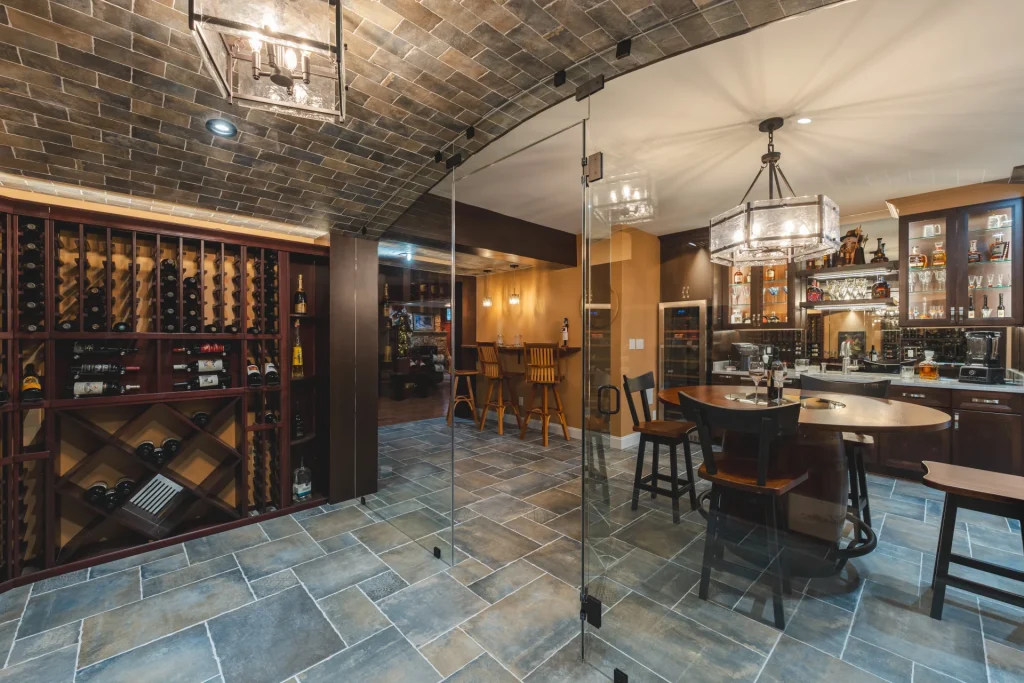
Finished basement remodeling project in Northern Virginia
Basement remodeling can add usable square footage, but moisture, lighting, storage and code requirements should be planned early.

Step 4: Protect the Budget With Smart Phasing

Smart phasing means completing work in an order that avoids rework. If the basement will eventually include a bathroom, rough-in planning should happen before the basement is finished. If the kitchen and adjacent family room will eventually share flooring, flooring transitions should be planned before cabinets are installed. If a home addition will change the roofline, exterior improvements should be considered at the same time.

PhaseBest Work to IncludeWhy It Protects Budget
Phase 1Design, permits, structural planning, mechanical reviewPrevents expensive surprises
Phase 2Rough plumbing, electrical, HVAC, framingHardest work to change later
Phase 3Cabinets, tile, countertops, flooringFinish work follows confirmed infrastructure
Phase 4Paint, hardware, fixtures, final trimFlexible choices can be adjusted late
Future phase prepRough-ins or blocking for later upgradesAvoids opening finished walls again

Step 5: Create a Whole-Home Design Language

A multi-room remodel should not make every room identical, but the home should feel connected. Repeating certain details can help: cabinet style, hardware finish, trim profile, countertop family, flooring tone, wall color, lighting temperature or tile undertone. These small connections make projects completed in phases feel intentional.

This is especially important when kitchen remodeling and bathroom remodeling happen close together. A kitchen with warm white cabinets, brushed nickel hardware and quartz countertops can relate to a bathroom with a similar metal finish and complementary vanity tone. A basement bar can echo the kitchen without copying it exactly. A deck or addition can connect through door style, flooring transitions and exterior materials.

Master bathroom remodeling project by Elegant Kitchen and Bath
Bathroom selections should coordinate with the broader home palette when several rooms are being remodeled.

Step 6: Know Where Permits Fit

Permits are not just paperwork. They shape schedule, sequence and design feasibility. Projects involving structural changes, plumbing, electrical work, HVAC changes, additions, decks, basement bedrooms or major bathroom work may require permits or inspections. Requirements depend on the local jurisdiction and project scope.

Homeowners in Northern Virginia should plan permit conversations early, especially for additions, basement bedrooms, major kitchen layout changes, bathroom plumbing changes and deck structures. Waiting until construction starts can cause delays and redesigns.

Step 7: Link the Remodel to Local Service Areas

Location matters because Northern Virginia communities have different housing styles and expectations. A project in Herndon may focus on family function and basement space. Fairfax may involve older layouts. Ashburn may involve builder-grade upgrades. Reston may require efficient planning for townhomes and contemporary homes. Chantilly and Centreville often benefit from flexible family-focused remodeling.

Use the Service Areas hub to compare local pages, including Kitchen Remodeling Fairfax VA, Bathroom Remodeling Ashburn VA, Basement Remodeling Reston VA and Home Addition Remodeling Centreville VA.

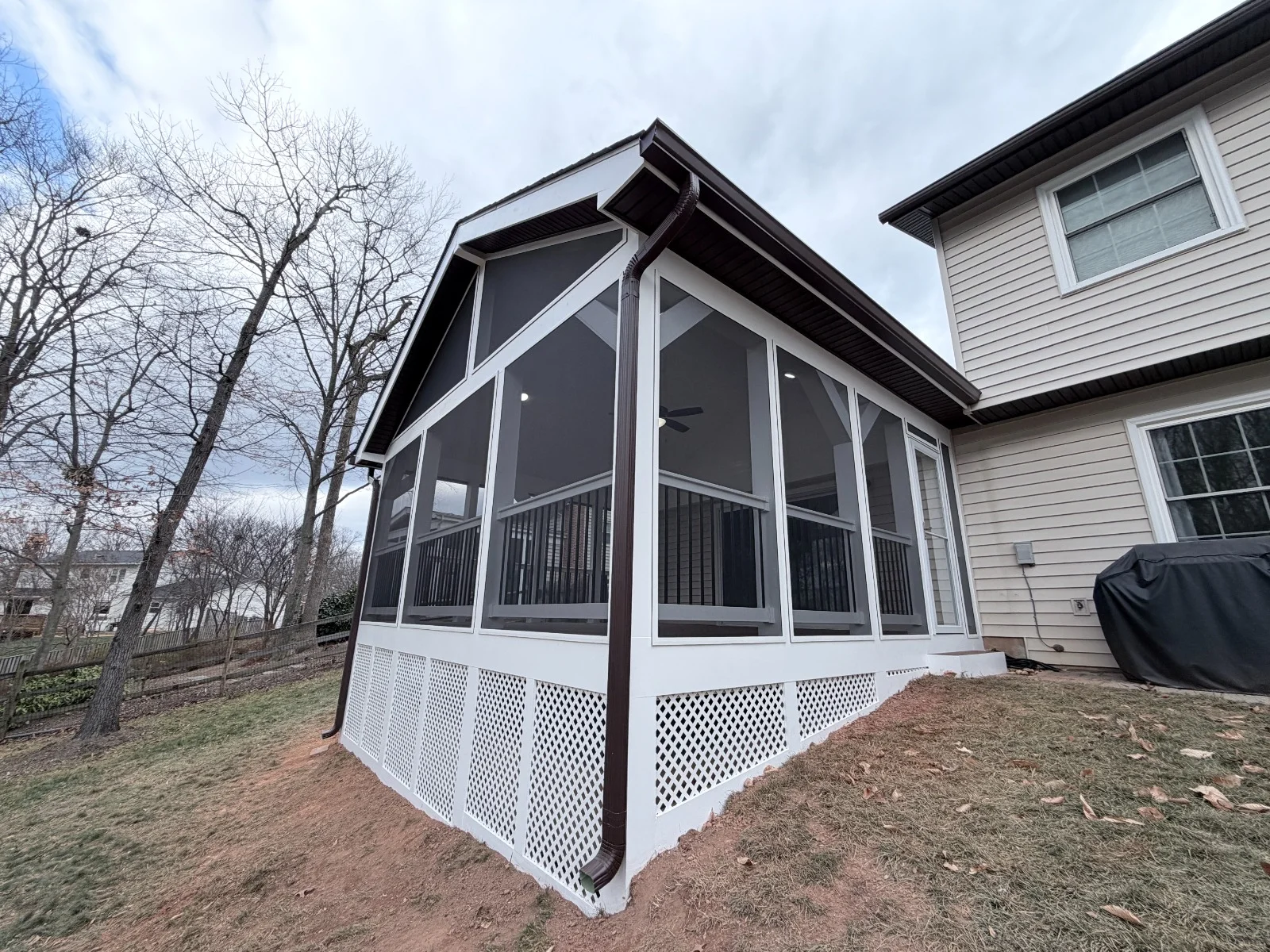
Deck and screened porch home addition project
Outdoor living, decks and additions should be planned with indoor remodeling when access points and exterior flow are changing.

When to Combine Projects and When to Separate Them

Combining projects can make sense when rooms share utilities, materials or construction disruption. Kitchen and flooring updates often belong together. Basement remodeling and basement bathroom work should be coordinated. A home addition and deck may need to be planned together because exterior access, grading and rooflines overlap. Bathroom updates can sometimes be grouped if the homeowner wants consistent finishes.

Separating projects makes sense when budget, household disruption or decision fatigue would become too high. A phased plan can still work beautifully if future phases are anticipated. The mistake is treating phase one as if phase two will never happen. That is how homeowners end up undoing finished work.

Example Scenario: Kitchen, Bathroom and Basement Together

Imagine a Northern Virginia homeowner who wants to remodel the kitchen, update a hall bathroom and finish part of the basement. If these projects are planned separately, the homeowner may choose kitchen flooring without thinking about the basement stairs, select bathroom fixtures without considering the whole-home hardware finish, and finish basement walls before deciding whether a bathroom rough-in is needed. Each decision may seem reasonable by itself, but together they can create waste.

A better plan starts by identifying shared decisions. Electrical work might be coordinated across the kitchen and basement. Plumbing conversations might include the hall bath and future basement bath. Flooring transitions can be planned before the kitchen cabinets are installed. Paint colors, trim and hardware can be selected as a family rather than one room at a time. The result is not necessarily a bigger project; it is a smarter project.

Shared DecisionRooms AffectedBudget Benefit
Electrical planningKitchen, basement, office zonesReduces repeated wall openings
Plumbing rough-insBathrooms, basement, wet barPrepares future phases
Flooring transitionsKitchen, hallways, stairs, basement accessAvoids awkward seams
Hardware finishesKitchen, baths, built-insCreates a cohesive look
Lighting temperatureAll remodeled spacesKeeps rooms visually consistent

How to Control Scope Creep

Scope creep happens when a project slowly grows without a clear decision framework. It often starts innocently: while remodeling the kitchen, the homeowner decides to redo the powder room; while finishing the basement, they add a wet bar; while updating the bathroom, they decide the hallway flooring should change. These decisions may be logical, but they need to be evaluated against budget and sequence.

The simplest way to control scope creep is to create three lists before construction: must-have, should-have and future phase. Must-have items solve the core problem. Should-have items add meaningful value if the budget allows. Future phase items are worth remembering but should not derail the current project. This gives homeowners a calm way to make decisions when new ideas appear.

Another useful rule is to price changes before approving them. A change that seems small may affect labor, materials, schedule, permits or completed work. If the cost and timeline are clear, the homeowner can make the decision with open eyes instead of discovering the impact later.

Material Ordering and Lead Times

Material timing can quietly control a remodel. Cabinets, specialty tile, plumbing fixtures, custom glass, countertops, doors, windows and certain lighting fixtures may have lead times. If selections are made late, the project can pause even when the construction team is ready. This is especially frustrating in a multi-room remodel because one delayed item can affect several rooms.

Homeowners should choose long-lead items early and avoid changing them after orders are placed. Cabinet layout should be confirmed before countertops are measured. Tile should be selected before waterproofing and layout details are finalized. Plumbing fixtures should be known before rough plumbing. Lighting should be planned before ceilings are closed. The more rooms involved, the more important selection discipline becomes.

MaterialWhy Timing MattersPlanning Advice
CabinetsAffects layout, counters and scheduleFinalize early and verify dimensions
CountertopsRequires templating after cabinetsAvoid late sink or edge changes
TileAffects waterproofing, layout and laborOrder enough for waste and future repair
LightingAffects wiring and ceiling workChoose fixture locations before rough electrical
Windows and doorsCan affect additions, decks and kitchensConfirm lead times before demolition

Budget Conversations Homeowners Should Have Early

A realistic budget conversation should include more than the visible remodel. Ask how much should be held for contingency, what allowances are included, what materials are fixed, what could change the price, and whether future phases should be roughed in now. If a home addition or basement bathroom is possible later, it may be cheaper to plan certain infrastructure during the current project.

Homeowners should also decide where quality matters most. Spend on items that are hard to replace or heavily used: cabinets, waterproofing, ventilation, plumbing fixtures, electrical planning, durable flooring and good lighting. Save on items that can be upgraded later if needed: decorative hardware, some light fixtures, paint colors or furniture. This does not mean choosing cheap finishes. It means putting money where it protects the remodel.

Communication: The Hidden Budget Tool

Good communication protects money. Multi-room remodeling involves many decisions, and confusion can become expensive. Homeowners should know who approves changes, how questions are handled, when selections are due, how schedule updates are shared and how surprises are documented. A clear communication rhythm reduces stress and prevents decisions from being made too late.

It also helps to keep a written decision log. Track cabinet selections, countertop names, tile names, paint colors, hardware finishes, fixture models and appliance details. This record is useful during the project and even more useful if another room is remodeled later. It is one of the easiest ways to keep a phased remodel from feeling disconnected.

Final Planning Checklist

  • Define the main problem the remodel must solve.
  • List must-have, should-have and future phase items.
  • Map dependencies between rooms before demolition.
  • Confirm permit needs early.
  • Select long-lead materials before construction pressure begins.
  • Coordinate flooring, trim, hardware, lighting temperature and paint across rooms.
  • Hold a contingency for hidden conditions.
  • Document every final selection for future phases.
  • Use local service pages to understand how project needs vary by city.
  • Choose a remodeling team that can manage more than one room without losing the bigger picture.

A multi-room remodel does not need to feel overwhelming. It needs a sequence, a scope, a budget strategy and a design language. When those pieces are in place, homeowners can improve several parts of the home without wasting money on rework or disconnected decisions.

Common Multi-Room Remodeling Mistakes

One common mistake is remodeling the most exciting room first instead of the most strategic room. A homeowner may want the kitchen immediately, but if the roofline will change because of a future addition, or if flooring will eventually run through the main level, the kitchen plan should account for that future work. The right first project is the one that creates the least rework later.

Another mistake is using different design decisions in each room because selections are made months apart. This can happen with hardware, tile undertones, cabinet colors, lighting warmth and trim profiles. A written design record prevents that problem. Even if rooms are remodeled in phases, the whole home can still feel planned.

A third mistake is skipping small infrastructure prep. Blocking for future grab bars, rough plumbing for a future basement bathroom, extra outlets for a future office, or wiring for better lighting may cost less during an active remodel than after finished walls are closed. Smart preparation does not mean doing every project now. It means making future projects easier.

Questions to Ask Before Approving the Final Scope

  • Will this project force us to redo anything if another room is remodeled later?
  • Are plumbing, electrical, HVAC and ventilation decisions coordinated?
  • Do the flooring and trim transitions make sense?
  • Have we selected long-lead materials early enough?
  • Are permit requirements clear for each part of the scope?
  • Is there a realistic contingency for hidden conditions?
  • Do all rooms share a compatible design language?
  • Have we separated must-have items from future phase items?
  • Will the home remain livable during construction, or do we need a temporary plan?
  • Does the proposal clearly describe what is included and excluded?

These questions are simple, but they force the right conversations before construction pressure begins. They also help homeowners compare proposals more intelligently. A lower number is not always a better budget if it leaves out work that will become necessary later.

FAQs About Planning a Multi-Room Home Remodel

What is the best order for a multi-room remodel?

Start with safety, structural, moisture and mechanical issues first. Then prioritize kitchens, bathrooms and daily-use spaces before secondary upgrades. Dependencies like flooring, plumbing and electrical work should guide the sequence.

Can kitchen and bathroom remodeling be done together?

Yes, but it requires careful scheduling, material planning and a realistic plan for how the household will function during construction. Combining work can sometimes reduce repeated disruption.

How do I avoid wasting budget during a remodel?

Define must-haves, avoid changing the scope mid-project, plan behind-the-wall work early, choose durable materials and coordinate related rooms before construction starts.

Should I remodel before selling or for long-term living?

If selling soon, focus on broad buyer appeal and visible problem areas. If staying long term, prioritize daily comfort while still protecting layout, durability and resale logic.

To discuss a broader remodeling plan, visit Contact or use the Northern Virginia home remodeling company business profile.

How to Plan a Multi-Room Home Remodel in Northern Virginia Without Wasting Budget Elegant Kitchen and Bath


from Blog – Elegant Kitchen and Bath https://www.elegantkitchenbath.com/plan-multi-room-home-remodel-northern-virginia-budget/
via Elegant Kitchen and Bath

Kitchen Remodeling in Vienna VA: Layout Ideas, Costs, Permits and Design Choices for Northern Virginia Homes

Kitchen remodeling in Vienna VA is rarely just a cosmetic update. In many Vienna homes, the kitchen sits at the center of family routines, entertaining, resale value and the overall feel of the main level. A strong remodel should improve traffic flow, storage, lighting, cooking efficiency, gathering space and long-term durability while still respecting the character of the home and neighborhood.

This guide explains how Vienna homeowners can plan a kitchen remodel with realistic attention to layout, costs, permits, cabinets, countertops, islands, lighting, materials and design choices. For the main service overview, visit Kitchen Remodeling. For local service-area context, compare nearby pages through Service Areas or use the kitchen remodeling contractor in Northern Virginia business profile.

Northern Virginia kitchen remodeling project by Elegant Kitchen and Bath
A Vienna kitchen remodel should improve function first, then layer in cabinetry, countertops, lighting and finishes that match the home.

Why Vienna Kitchens Need a Thoughtful Plan

Vienna has a wide range of home styles, from older colonials and split-level properties to renovated family homes and newer custom builds. That variety means kitchen remodeling cannot follow one formula. Some homes need a full layout redesign because the kitchen is closed off from the dining or family room. Others already have a workable footprint but need better storage, updated cabinets, improved lighting and more durable surfaces. In higher-value neighborhoods, finish quality and design continuity matter just as much as practical function.

The first step is not choosing a backsplash. It is understanding how the room fails today. If the island blocks traffic, the pantry is too small, the sink is poorly placed, the range lacks ventilation, or there is nowhere for guests to gather, those problems should shape the remodel. A kitchen that looks impressive but still works poorly will frustrate the homeowner every day.

Kitchen remodeling in Vienna VA also needs to consider resale expectations. Buyers in this market often expect updated kitchens with quality cabinetry, stone or quartz countertops, effective lighting, modern appliance layouts and a layout that supports both family life and entertaining. That does not mean every kitchen needs to be luxury, but it does mean the design should feel intentional.

Layout Ideas for Vienna Kitchen Remodeling

Layout is the foundation of a successful remodel. Many older Vienna kitchens were designed as separate work rooms, not social spaces. Today, homeowners often want the kitchen to connect more naturally with the family room, dining area, breakfast nook or outdoor living space. Removing or opening a wall can help, but it is not always necessary. Sometimes the better answer is a smarter island, improved appliance placement or better storage zones.

Layout IssueRemodeling SolutionWhy It Helps
Closed-off kitchenWider cased opening, partial wall removal or better sightlinesImproves connection without always requiring a full open-concept redesign
Small prep areaLarger island, secondary prep zone or better counter distributionMakes cooking easier and supports multiple users
Poor storageDrawer bases, pantry cabinets, pull-outs and vertical dividersReduces clutter and improves daily function
Weak lightingLayered recessed, task and accent lightingMakes the kitchen safer, brighter and more finished
Awkward appliance flowRework sink, range, refrigerator and landing zonesCreates a smoother cooking routine

The best layout depends on the home. A Vienna colonial may benefit from a larger island and a more open connection to the family room. A townhome kitchen may need compact storage and better lighting. A larger home may support a scullery, appliance garage, beverage station or expanded pantry. The goal is not to copy another kitchen. The goal is to make the existing home work better.

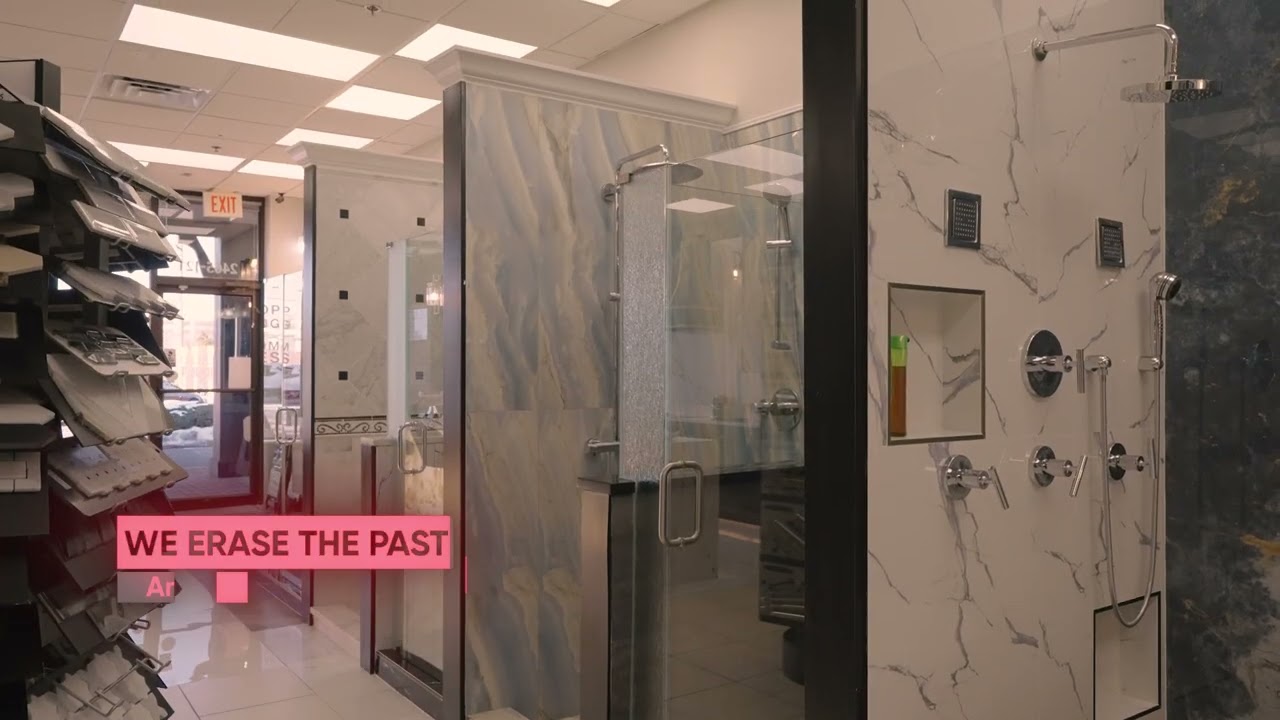
Elegant Kitchen and Bath Herndon showroom
Seeing cabinet, countertop and finish combinations in context helps homeowners make better kitchen remodeling decisions.

Cabinets, Countertops and Backsplash Choices

Cabinets usually define the kitchen more than any other element because they control storage, style and layout. Vienna homeowners often choose between painted shaker cabinets, warmer wood tones, inset or frameless styles, glass accents, tall pantry cabinets and custom storage inserts. The right choice depends on the architecture of the home and the homeowner’s maintenance expectations.

Countertops should be chosen for daily use, not just appearance. Quartz is popular because it offers durability and consistent patterns. Granite provides natural variation and long-term strength. Cambria and other premium quartz options can support a more elevated design. To compare options, review Countertops, Quartz Countertops, Granite Countertops and Cabinets.

The backsplash should connect cabinets and countertops rather than compete with them. A highly patterned countertop may call for a quieter backsplash. A simple countertop can support more texture or color. Lighting under the cabinets helps the backsplash read properly and makes the work surface easier to use.

Kitchen Island Planning

The island is often the most requested feature in a Vienna kitchen remodel, but it needs to be sized correctly. An island that is too large can make the kitchen feel crowded. An island that is too small may not provide enough seating, prep area or storage to justify the investment. Clearance around the island matters as much as the island itself.

Island FeatureBest ForPlanning Note
Prep sinkLarger kitchens and frequent cooksConfirm plumbing and counter workflow early
Seating overhangFamilies and entertainingBalance seating with aisle clearance
Drawer storageCookware, utensils and small appliancesMore practical than deep lower cabinets
Microwave drawerCleaner appliance layoutWorks well when planned into cabinet design
Statement lightingVisual focal pointChoose scale carefully for ceiling height

Costs and Budget Drivers

Kitchen remodeling costs in Vienna VA depend on layout changes, cabinet level, countertop material, appliance package, flooring, electrical work, plumbing changes, lighting, backsplash, permits and the age of the home. A finish-focused update costs less than a full layout redesign. Moving plumbing, removing walls, changing ventilation or upgrading electrical systems can increase the scope.

A smart budget separates must-have infrastructure from finish upgrades. Electrical safety, ventilation, plumbing, cabinet layout and lighting should be planned carefully because they are hard to change later. Decorative items can be adjusted more easily, but poor layout decisions are expensive to fix after construction.

For broader budget context, read Kitchen Remodeling Costs in Northern Virginia, Kitchen Remodel ROI in Northern Virginia and Home Renovation Cost 2026.

Master bathroom remodeling project by Elegant Kitchen and Bath
Many Vienna homeowners plan kitchen and bathroom updates together so finishes, timelines and budgets work more efficiently.

Permits and Construction Planning

Permits may be required when a Vienna kitchen remodel includes electrical changes, plumbing work, ventilation, wall changes, structural work or major layout adjustments. Even when a project seems simple, the scope should be reviewed before construction begins. Permit planning protects safety, resale clarity and long-term confidence in the work.

Construction planning is also important for daily life. A kitchen remodel affects cooking, cleaning, groceries, pets, children and entertaining. Homeowners should plan temporary food prep, refrigerator access, dust control expectations, material delivery and decision deadlines before work starts.

How Kitchen Remodeling Connects With Other Services

A kitchen remodel often connects with other parts of the home. Flooring may continue into the family room. A deck door may affect the outdoor living plan. A powder room near the kitchen may need an update. A basement bar may use similar cabinets or countertops. If the home needs more space, Home Addition Remodeling may be part of the conversation. If the lower level is unfinished, Basement Remodeling may be a future phase.

Related ServiceWhen It MattersUseful Link
Bathroom RemodelingWhen nearby powder rooms or primary suites also feel datedBathroom Remodeling
CountertopsWhen selecting quartz, granite or Cambria for the kitchenCountertops
Home AdditionWhen the kitchen needs more square footageHome Addition Remodeling
Service AreasWhen comparing local pages by cityService Areas

Design Choices That Work Well in Vienna Homes

Vienna kitchens often benefit from a design that feels polished without becoming overly trendy. A remodel should fit the architecture of the home, the surrounding neighborhood, and the way the household plans to use the kitchen for the next decade. This is where restraint can be powerful. Clean cabinetry, durable countertops, thoughtful lighting, quality hardware and a backsplash that supports the overall palette usually age better than a design built around one loud feature.

For many homeowners, the best design direction is transitional: not too traditional, not too starkly modern. Shaker or slim shaker cabinets, quartz countertops, warm wood accents, layered whites, soft grays, muted greens, natural stone looks, brushed nickel, champagne bronze or matte black hardware can all work when they are balanced correctly. The exact palette should come from the home, not from a generic trend list.

Lighting is one of the most overlooked design choices. A Vienna kitchen remodel should include general lighting for the whole room, task lighting for counters, island lighting for function and visual rhythm, and accent lighting where glass cabinets or open shelves need emphasis. Under-cabinet lighting is especially useful because it improves both food prep and the appearance of the backsplash.

Design ChoiceBest UseVienna Planning Note
Two-tone cabinetsLarger kitchens or islandsKeep the contrast controlled so the room still feels cohesive
Quartz countertopsBusy households and low-maintenance goalsChoose a pattern that fits cabinet color and backsplash tone
Wood accentsHomes that need warmthUse wood on islands, shelves or floors instead of everywhere
Statement backsplashSimple cabinet and countertop combinationsAvoid competing with a dramatic countertop
Panel-ready appliancesHigher-end kitchensWorks best when the cabinet plan is carefully detailed

Storage Planning: The Difference Between Pretty and Practical

A kitchen can look beautiful and still fail if storage is poorly planned. Vienna homeowners should think about storage by category: everyday dishes, cookware, pantry goods, small appliances, cleaning supplies, trash and recycling, spices, baking tools, coffee items, serving pieces and charging needs. Once those categories are mapped, cabinet decisions become much clearer.

Drawer bases often work better than deep lower cabinets because they make cookware and dishes easier to access. Tall pantry cabinets can replace a small closet pantry if the existing pantry is inefficient. Tray dividers, spice pull-outs, appliance garages, roll-out shelves, deep island drawers and hidden trash pull-outs can make the kitchen feel calmer every day. These features are not just upgrades; they are the reason the remodel functions better after the first few weeks of excitement wear off.

Storage should also support entertaining. Vienna homeowners often want the kitchen to work for family meals, guests, holidays and casual gatherings. That may mean a beverage zone outside the main cooking path, a buffet-style counter near the dining room, or island storage for serving pieces. The best kitchen designs reduce traffic conflicts instead of making everyone gather in the same work zone.

Appliance and Ventilation Planning

Appliances should be chosen after the layout is understood. A professional-style range may look appealing, but it affects ventilation, cabinet clearances, electrical or gas planning and budget. A larger refrigerator may require cabinet adjustments. A wall oven can improve ergonomics but needs the right cabinet layout. A microwave drawer can clean up the design but should be positioned where children and adults can use it safely.

Ventilation deserves special attention. In older kitchens, ventilation may be weak, recirculating or poorly placed. If the remodel includes a more powerful range or a new cooking location, ventilation should be reviewed early. Good ventilation protects comfort, indoor air quality and surrounding finishes. It also prevents a beautiful kitchen from feeling impractical during real cooking.

Timeline: What Happens During a Kitchen Remodel?

Kitchen remodeling timelines vary by scope, but the sequence is usually predictable. First comes discovery and design planning. Then layout, selections, cabinet planning, permit review if needed, ordering, demolition, rough plumbing or electrical, inspections, drywall, flooring, cabinet installation, countertop templating, countertop installation, backsplash, fixtures, trim, paint and final punch work. Some steps overlap, but many depend on the previous step being complete.

PhaseWhat HappensHomeowner Decision
PlanningGoals, layout, budget and scope are clarifiedChoose priorities and must-have features
SelectionsCabinets, countertops, tile, fixtures and lighting are chosenApprove materials before ordering
Rough workElectrical, plumbing, framing or ventilation changes happenConfirm outlet and lighting placement
InstallationCabinets, counters, backsplash, fixtures and trim are installedReview details as they come together
Final punchAdjustments, cleanup and final reviewNote touch-ups before closeout

How to Compare Kitchen Remodeling Contractors in Vienna

When comparing kitchen remodeling contractors in Vienna VA, homeowners should look beyond a single price. The proposal should clearly describe scope, materials, allowances, timeline, responsibilities and what is not included. A vague proposal can look cheaper at first and become more expensive once decisions are forced during construction.

Ask how the contractor handles layout planning, cabinet details, countertop coordination, change orders, permits, dust control and communication. Ask whether they can connect the kitchen remodel with related work such as Bathroom Remodeling, Basement Remodeling or Home Addition Remodeling. A kitchen rarely exists in isolation, so the team should understand how the remodel affects the rest of the home.

Local Takeaway for Vienna Homeowners

The best Vienna kitchen remodels are not the ones with the most expensive finishes. They are the ones where layout, storage, lighting, materials and budget work together. A successful project should make cooking easier, improve gathering space, fit the home’s architecture and support long-term value. Whether the project is a focused cabinet and countertop update or a full kitchen redesign, the planning process should begin with function and then move toward style.

Homeowners can compare nearby local pages through Service Areas, including Kitchen Remodeling Fairfax VA, Kitchen Remodeling Reston VA and Kitchen Remodeling Chantilly VA. For direct local context, use the kitchen remodeling contractor in Northern Virginia profile.

Mistakes to Avoid in a Vienna Kitchen Remodel

The first mistake is spending the budget on visible finishes before the layout is solved. A dramatic slab, expensive backsplash or premium appliance package cannot fix a kitchen where the refrigerator blocks traffic, the island is too large, or the pantry is too small. Function should lead the design. Finishes should support that function.

The second mistake is ignoring transitions. Many Vienna kitchens connect directly to family rooms, dining rooms, hallways or breakfast areas. If flooring, trim, paint color and lighting temperature are not planned across those transitions, the kitchen may look new while the surrounding rooms suddenly look disconnected. A good remodel considers the edge of the project as carefully as the center of the project.

The third mistake is underestimating storage. Homeowners often ask for a larger island, but the real need may be pantry storage, tray dividers, deep drawers, a better trash location or a landing zone for mail, phones and keys. A kitchen remodel should remove daily friction. The details that support routines are often more valuable than the details that only look good in photos.

Pre-Remodel Checklist for Vienna Homeowners

  • Measure how many people use the kitchen at the same time.
  • List the storage items that do not currently have a good home.
  • Decide whether the kitchen should stay within the same footprint.
  • Identify walls, windows or doors that may affect layout changes.
  • Choose appliance priorities before cabinet design is finalized.
  • Think through lighting for prep, cleanup, seating and entertaining.
  • Compare countertop materials for maintenance and durability.
  • Plan flooring transitions into adjacent rooms.
  • Confirm whether plumbing, electrical or ventilation changes may need permits.
  • Review related services such as Countertops and Cabinets before final selections.

This checklist keeps the project grounded. It also helps homeowners communicate more clearly with the remodeling team. The more clearly the goals are defined, the easier it is to protect the budget and avoid decisions that feel rushed later.

Cost vs. Value: Where Vienna Homeowners Should Spend

When a kitchen remodel has many possible upgrades, the best question is not “What is the most expensive option?” It is “Which choices will improve daily life and still make sense for this home?” In Vienna, the strongest spending areas are usually layout, cabinetry, durable countertops, lighting, ventilation and installation quality. These are the parts of the remodel homeowners feel every day and buyers notice quickly.

Decorative choices still matter, but they should not consume the budget before functional decisions are protected. A beautiful faucet cannot compensate for poor storage. A premium backsplash cannot fix weak lighting. A high-end appliance package may disappoint if ventilation and landing zones are not planned correctly. Spend first on the structure of the kitchen experience, then refine the look.

For homeowners thinking about long-term value, the safest kitchen remodel is one that feels specific to the home but not so personal that future buyers struggle to imagine themselves using it. Elegant materials, practical storage, clean sightlines, quality lighting and a balanced palette usually travel well across changing trends.

FAQs About Kitchen Remodeling in Vienna VA

Is kitchen remodeling in Vienna VA different from other Northern Virginia areas?

Vienna homes often require a careful balance of function, resale value, neighborhood expectations and finish quality. Many projects focus on better layout, custom storage, durable surfaces and a design that feels connected to the rest of the home.

What should Vienna homeowners plan before a kitchen remodel?

Start with layout goals, appliance locations, cabinet storage, island size, countertop material, lighting, budget, timeline and whether walls, plumbing or electrical systems may change.

Do kitchen remodels in Vienna VA require permits?

Permits may be required for electrical, plumbing, structural, mechanical or layout changes. Requirements depend on the project scope and local jurisdiction.

Can a Vienna kitchen remodel include countertops and cabinets?

Yes. Kitchen remodeling can include cabinetry, countertops, backsplash, lighting, island design, pantry planning, flooring transitions and finish coordination.

To begin planning, visit Contact or use the kitchen remodeling contractor in Northern Virginia business profile.

Kitchen Remodeling in Vienna VA: Layout Ideas, Costs, Permits and Design Choices for Northern Virginia Homes Elegant Kitchen and Bath


from Blog – Elegant Kitchen and Bath https://www.elegantkitchenbath.com/kitchen-remodeling-vienna-va-layout-costs-permits-design/
via Elegant Kitchen and Bath

Thursday, May 21, 2026

Basement Remodeling Ideas for Northern Virginia Homes: Layouts, Costs, Permits and Design Tips

If your basement is still a storage zone, laundry pass-through, or unfinished concrete shell, it may be the most underused square footage in your Northern Virginia home. A smart basement remodel can create a family room, guest suite, home office, gym, media lounge, wet bar, playroom, or multi-purpose retreat without changing the footprint of the house. That matters in communities like Herndon, Reston, Ashburn, Fairfax, Vienna, McLean, Centreville, and Chantilly, where adding usable space can be expensive and zoning conditions can make full additions more complex.

This guide breaks down practical basement remodeling ideas for Northern Virginia homes, with layout planning, cost ranges, permit considerations, lighting tips, material choices, storage ideas, and design details that help the space feel like part of the home instead of an afterthought. If you are just starting, begin with the main basement remodeling service page, then use the ideas below to shape a more detailed project plan.

Finished basement remodeling project in Herndon VA
A finished basement should feel connected to the rest of the home, with comfortable lighting, durable finishes, and a clear purpose.

Why Basement Remodeling Works So Well in Northern Virginia

Northern Virginia homes often have excellent basement potential because many properties were built with walk-out levels, partial daylight conditions, generous footprints, or underused lower-level rooms. Even when the ceiling height is modest or the layout includes mechanical equipment, the basement can still become highly functional with the right plan. Compared with building outward, finishing or reworking the lower level can often deliver more usable space with fewer exterior changes.

The most successful projects start with a clear answer to one question: what does the household actually need? A young family may want a playroom, mudroom storage, and a movie area. A household with frequent guests may need a bedroom, bathroom, and kitchenette. A remote worker may value privacy, sound control, and built-in cabinetry. A homeowner thinking about resale may want flexible space that buyers can imagine using in several ways. The right basement design is not just beautiful. It solves daily problems.

Elegant Kitchen and Bath works across Northern Virginia from its Herndon base. You can learn more from the Elegant Kitchen and Bath homepage, view the local profile on basement remodeling contractor in Northern Virginia, or compare basement planning with other services such as kitchen remodeling, bathroom remodeling, and home addition remodeling.

1. The Flexible Family Room Basement

The most dependable basement remodeling idea is a flexible family room. It works for families with children, couples who entertain, empty nesters who want a secondary lounge, and homeowners preparing for future resale. Instead of designing one hyper-specific room, the layout combines open seating, media, storage, and a small activity area. The space can support movie nights, homework, games, workouts, or casual hosting without feeling locked into one use.

For Northern Virginia homes, the family room concept is especially effective when the basement connects to a backyard or patio. Walk-out basements in Herndon, Reston, and Ashburn can become indoor-outdoor entertaining zones if flooring, lighting, and furniture placement support that flow. If the basement has limited natural light, warm layered lighting and lighter wall colors can keep the room from feeling heavy.

Basement ZoneBest UseDesign Tip
Main seating areaMovies, games, family timeUse durable upholstery and recessed lighting on dimmers.
Wall storageToys, seasonal decor, board gamesBuild cabinets around structural posts or under stairs.
Activity cornerDesk, crafts, treadmill, musicKeep outlets and task lighting flexible for future changes.
Snack or beverage areaCasual entertainingConsider a dry bar before committing to plumbing.

A flexible basement does not need to feel generic. Millwork, wall panels, a built-in media unit, textured carpet, engineered wood flooring, or a statement tile wall can create polish. The key is to keep the bones adaptable. If you add a bathroom later, build the family room layout so plumbing access and circulation still make sense.

2. Guest Suite With Bathroom

A basement guest suite is one of the strongest ideas for homeowners who host relatives, adult children, long-term guests, or multigenerational family members. It can also support resale value because buyers often want private guest space that does not interrupt the main bedrooms. In Northern Virginia, where many homeowners welcome family from out of state or work with hybrid schedules, a lower-level guest area can be both practical and attractive.

Before designing a basement bedroom, confirm code requirements. A legal bedroom usually requires proper egress, adequate ceiling height, safe electrical layout, smoke and carbon monoxide detection, and approved access. Requirements vary by jurisdiction, so a Herndon project may involve different review details than a project in Fairfax County, Loudoun County, Arlington, or Alexandria. This is why early planning matters.

The bathroom is where many guest suite budgets shift. A simple three-piece bath with shower, toilet, and vanity is often enough, but the location of existing drains, slab conditions, and pump needs can affect cost. If the basement bathroom is important, study the company’s bathroom remodeling work for finish ideas, shower layouts, tile inspiration, and vanity planning.

Northern Virginia basement renovation design idea
A comfortable lower-level room can serve guests, family members, or future buyers when the layout is planned correctly.

3. Basement Wet Bar or Entertainment Lounge

A wet bar can make a finished basement feel complete, especially when the lower level is used for entertaining. It keeps drinks, snacks, glassware, and cleanup close to the seating area. In larger basements, the bar can become the central design feature; in smaller spaces, it can be a compact wall of cabinets with a sink, beverage refrigerator, open shelving, and countertop surface.

Cabinetry and countertop selection matter in this zone. A basement bar needs materials that handle moisture, traffic, and occasional spills. Explore cabinet options and countertop services if you want the lower level to feel consistent with the home’s kitchen or main-level finishes. Quartz is a popular choice for basement bars because it is durable, easy to maintain, and available in many colors.

Not every basement needs full plumbing. A dry bar can still deliver function if plumbing access is limited or if the budget should stay focused on flooring, lighting, and seating. The decision should come from how the room will be used. If you regularly host, a sink may be worth it. If the basement is mostly for movie nights, a beverage center and storage may be enough.

Basement remodeling layout with entertainment space
A basement entertainment space can include a bar, media area, game zone, or casual lounge depending on the household’s priorities.

4. Home Office and Study Zone

Remote and hybrid work changed what homeowners expect from finished basements. A lower-level office can be quiet, private, and separate from main-floor activity. For homeowners in Northern Virginia who commute to DC, Tysons, Reston, Arlington, or Ashburn part of the week, a basement office can make work-from-home days more comfortable and professional.

The best basement offices do not feel like leftover rooms. They include strong task lighting, reliable outlets, data planning, acoustic control, comfortable flooring, and a camera-friendly wall. If the office is part of a larger open basement, use glass doors, partial walls, shelving, or acoustic panels to create privacy without making the space feel closed off.

Built-ins are especially useful. A cabinet wall can hide printers, files, supplies, and electronics. If the basement also functions as a guest suite, a desk wall can double as a vanity or storage zone. That kind of multi-purpose thinking helps a remodel stay useful for years instead of matching only one life stage.

5. Basement Gym, Wellness Room, or Hobby Space

A basement gym is a smart choice because the lower level can handle heavier equipment, rubber flooring, mirrors, and sound better than many upper-floor rooms. It also keeps workout gear away from bedrooms and main living areas. In Northern Virginia homes where square footage is valuable, combining a gym with a yoga area, sauna-style corner, or hobby room can make the basement more versatile.

Moisture control is the first priority. Exercise rooms need ventilation, proper flooring, and surfaces that clean easily. If the basement has a history of dampness, solve drainage and humidity before choosing finishes. Luxury vinyl plank, rubber tile, and moisture-resistant wall materials often perform better than delicate finishes in active lower-level rooms.

A wellness basement can also connect with a future bathroom remodel. A shower near the gym, a compact powder room, or a spa-inspired bath can turn the lower level into a true retreat. For homeowners planning broader renovations, pairing basement work with bathroom remodeling or home addition remodeling may create a more coherent long-term plan.

6. Kids’ Playroom That Can Grow Up Later

Basement playrooms are common, but the best ones are designed to evolve. Young children need open floor space, soft surfaces, toy storage, and easy sightlines. Teenagers need media, games, seating, charging stations, and privacy. Future buyers may see the same space as a family room, office, gym, or guest area. Avoid overbuilding a theme that only works for a few years.

Use built-in storage, washable finishes, good lighting, and durable flooring. Add outlets where future furniture may go. Keep ceiling access panels neat but available if mechanical systems need service. If the basement includes stairs from a main living area, consider sound control so the playroom does not overwhelm the rest of the home.

7. Media Room Without the Dark Cave Feeling

A basement media room is a classic for a reason: lower levels are naturally suited to controlled light, sound separation, and cozy seating. The mistake is making the room too dark, too narrow, or too specialized. A modern media basement should support movies, sports, gaming, and casual conversation. It should also look good when the screen is off.

Use layered lighting instead of a single ceiling grid. Recessed lights, sconces, stair lighting, cabinet lighting, and dimmers help the room shift from bright cleanup mode to soft movie mode. If the ceiling is low, avoid bulky fixtures. If the basement has a large support column, wrap it with trim, shelving, or a bar-height ledge so it feels intentional.

FeatureBudget-Friendly OptionUpgrade Option
FlooringLuxury vinyl plank or carpet tileEngineered wood with area rugs
LightingRecessed LEDs with dimmersLayered sconces, cabinet lighting, stair lights
StorageFreestanding media consoleBuilt-in wall cabinetry
Bar areaDry bar with beverage fridgeWet bar with sink and quartz countertop
BathroomPowder roomFull bath with tiled shower

Basement Costs: What Drives the Budget?

Basement remodeling costs in Northern Virginia vary widely because no two lower levels start in the same condition. A simple finish of an open area costs less than a full guest suite with bathroom, wet bar, bedroom, egress work, custom cabinetry, and mechanical upgrades. Homeowners should think in terms of scope, not just square footage.

Major cost drivers include framing, insulation, drywall, flooring, electrical work, lighting, plumbing, HVAC, waterproofing, ceiling conditions, bathroom construction, cabinetry, countertops, stairs, doors, trim, and permit requirements. If the basement has moisture problems, low ceilings, outdated electrical service, or complex plumbing needs, address those before spending heavily on decorative finishes.

For comparison, you can review related planning guides such as Basement Remodeling in Herndon VA, Do You Really Need a General Contractor for Your Herndon VA Home Remodel?, and How to Finance a Home Remodel in Northern Virginia. These resources help homeowners connect design ideas with budget planning, permits, and contractor selection.

Permit and Code Considerations

Permit requirements are one of the biggest reasons basement remodeling should be planned carefully. Many projects require permits when they include new rooms, framing, electrical changes, plumbing, HVAC modifications, bathrooms, bedrooms, or structural work. Egress is especially important if the basement will include a sleeping area. Ceiling height, stair conditions, smoke alarms, carbon monoxide detectors, and electrical safety can also affect approval.

Rules can vary between local jurisdictions. A homeowner in the Town of Herndon may have a different review path than a homeowner elsewhere in Fairfax County, Loudoun County, Arlington, Alexandria, or Falls Church. The safest approach is to identify the intended use of each basement room early, then confirm what permits and inspections are required before work begins.

A good remodel plan will not treat code as a last-minute obstacle. It will build safety and compliance into the design from the beginning. That means planning egress before bedroom walls are finalized, locating bathrooms with plumbing feasibility in mind, choosing lighting that works with ceiling height, and making mechanical access look clean while still remaining serviceable.

Elegant Kitchen and Bath basement remodel example
Moisture-resistant materials, code-aware planning, and layered lighting help a basement remodel feel finished and dependable.

Moisture, Flooring, and Material Choices

Basements need a different material strategy than upper floors. Even well-built homes can experience humidity, slab moisture, or seasonal temperature swings. Before installing new finishes, check drainage, grading, foundation conditions, sump pump performance, and signs of water intrusion. Cosmetic upgrades should never hide moisture problems.

For flooring, luxury vinyl plank is popular because it handles moisture better than many traditional materials and can mimic wood. Carpet tile can work well in media rooms or playrooms because damaged sections can be replaced. Tile is durable for bathrooms, laundry areas, and wet bar zones. Engineered wood may be possible in some basements, but it should be selected carefully and installed according to manufacturer recommendations.

Wall and ceiling choices matter too. If the basement ceiling is low, a painted drywall ceiling with recessed lights may feel cleaner than a bulky drop ceiling, but access needs must be considered. If mechanical lines are complex, a selective soffit strategy can hide ducts without lowering the whole room. Trim, doors, and paint should coordinate with the main level so the basement feels like part of the house.

Lighting Ideas That Change the Whole Basement

Lighting can make or break a basement remodel. Natural light is often limited, so the design needs layers. General lighting keeps the room usable, task lighting supports desks and bars, accent lighting highlights shelves or feature walls, and decorative lighting adds personality. Dimmers are almost always worth including because basement rooms often shift between work, play, hosting, and relaxing.

In low ceilings, use shallow recessed fixtures and avoid heavy pendants except over bars or tables where they make sense. In walk-out basements, keep window treatments light enough to preserve daylight. Mirrors, glass doors, lighter paint colors, and reflective tile can all help the lower level feel more open.

Storage Ideas: The Hidden Value of a Basement Remodel

Storage is often the difference between a basement that looks good for photos and a basement that works for real life. Under-stair cabinets, built-in shelving, hidden mechanical room storage, toy drawers, seasonal storage closets, media cabinets, mudroom-style cubbies, and laundry organization can keep the finished area clean. This is especially important for families who use the basement every day.

Plan storage before furniture. If the design leaves only leftover corners for closets, the space will become cluttered quickly. If storage is integrated into the layout, the room will stay flexible. Cabinetry can also connect the basement visually to the kitchen, especially if the home recently completed or is planning a kitchen remodel.

How to Choose the Right Basement Remodeling Idea

Start by ranking needs, not features. A wet bar sounds exciting, but a bathroom may matter more for daily use. A theater room sounds luxurious, but a flexible family room may be better for resale. A gym sounds practical, but only if ventilation, flooring, and storage support it. The best basement remodel balances how you live now with what the home may need later.

Walk through the basement and identify fixed conditions: stairs, windows, columns, mechanical equipment, ceiling height, plumbing access, exterior doors, and electrical panels. Those elements shape the plan. Then decide which zones need privacy and which can stay open. Bedrooms, bathrooms, offices, and gyms often need separation. Family rooms, bars, playrooms, and media areas can often share an open layout.

If you are comparing basement remodeling with other renovation plans, review the broader services page. Some homes benefit from sequencing projects together, especially when a basement bathroom, kitchen cabinetry, countertops, or a home addition is part of a larger improvement plan. You can also browse completed projects for ideas that feel realistic instead of theoretical.

Basement Remodeling Timeline: What Happens First?

A basement remodel becomes much easier to manage when the timeline is clear before work begins. Homeowners often think first about paint colors, flooring samples, or bar finishes, but the early stages are more practical. The team needs to understand the existing structure, moisture conditions, utilities, ceiling height, code requirements, and how the new rooms will connect. This planning stage is where the final project either becomes smooth or starts collecting problems.

The first step is discovery. Walk the basement and identify the locations of the electrical panel, water heater, HVAC equipment, sump pump, drains, windows, doors, beams, columns, ducts, and stairs. These elements are not obstacles by default; they are the rules of the room. A smart plan uses them intelligently. For example, a bathroom may belong near existing plumbing, a storage closet may hide a mechanical chase, and a media wall may be positioned where natural light will not create glare.

After discovery comes design and scope. This is when the homeowner decides whether the project is a simple finish, a full lower-level suite, a family room with wet bar, or a multi-zone remodel. The more rooms and systems involved, the more important documentation becomes. Drawings, finish selections, fixture lists, cabinet plans, and permit notes reduce confusion during construction. Even when the design is not ultra-luxury, clarity saves money.

PhaseTypical FocusHomeowner Decision
DiscoveryMeasure, inspect, identify moisture and mechanical conditionsDecide the main purpose of the basement
DesignLayout, lighting plan, room locations, finish directionChoose must-have rooms and nice-to-have features
PermitsSubmit required documents and confirm code itemsApprove the final scope before construction
Rough workFraming, plumbing, electrical, HVACConfirm outlet, lighting, and fixture locations
FinishesDrywall, flooring, tile, cabinetry, paint, trimReview details before final installation
Final punchInspections, adjustments, cleanupWalk the space and note final touch-ups

Construction time depends on scope. A straightforward open basement finish may move faster than a remodel with a bathroom, wet bar, bedroom, custom cabinetry, and complex inspections. Homeowners should also build in decision time. Tile, cabinets, countertops, plumbing fixtures, lighting, flooring, and paint should be selected early enough that the project does not pause while materials are ordered.

Common Basement Remodeling Mistakes to Avoid

The biggest basement remodeling mistake is treating the lower level like a normal above-grade room. Basements have different moisture, light, sound, and mechanical realities. A finish that works beautifully upstairs may not be the best choice below grade. Durable materials, moisture control, and access to mechanical systems should guide the design before decorative decisions take over.

Another common mistake is ignoring storage. Many unfinished basements hold seasonal items, tools, luggage, sports equipment, holiday decor, and household overflow. When the basement is finished, that storage does not disappear. If the remodel does not include closets, built-ins, or a dedicated storage room, clutter will migrate into the new living area. A good design preserves storage while still making the finished space attractive.

Homeowners also underestimate lighting. A basement can have new floors, fresh paint, and expensive furniture, but if the lighting is flat or too sparse, the room will still feel unfinished. Plan lighting by zone: brighter task lighting for offices and bars, softer lighting for media areas, practical lighting for stairs and laundry, and accent lighting for shelves or feature walls. Good lighting is not a luxury in a basement. It is what makes the room feel livable.

Finally, avoid designing only for today. A basement remodel should have enough flexibility to serve the household through several stages of life. A playroom can become a teen lounge. A gym can become a guest room. A home office can become a hobby space. A large open family room can later support a kitchenette or bar. Flexible planning protects the investment.

Budget Planning Tips for a Smarter Basement Remodel

A good basement budget separates essentials from upgrades. Essentials include moisture control, safe electrical work, code-compliant framing, HVAC comfort, insulation, lighting, permits, and durable surfaces. Upgrades include custom bars, premium countertops, built-in cabinetry, specialty tile, sound systems, luxury bathroom fixtures, and decorative millwork. Both categories can be valuable, but essentials should come first.

If the budget is limited, focus on the parts that are hardest to change later. Plumbing rough-ins, electrical layout, insulation, framing, bathroom location, and lighting infrastructure should be planned carefully from the beginning. Decorative choices can sometimes be upgraded later, but moving a bathroom or opening finished walls is far more expensive.

Homeowners can also phase the project intelligently. For example, the first phase might finish the family room, bathroom rough-in, and storage. A later phase might add the wet bar, custom cabinetry, or built-in media wall. This approach only works if the future phase is anticipated early. Otherwise, the second phase may require undoing finished work.

Design Details That Make a Basement Feel Like the Main Level

The best finished basements do not feel detached from the rest of the home. They repeat enough design language from the main level to feel intentional, while still adapting to the lower-level environment. That might mean matching door styles, trim profiles, cabinet colors, hardware finishes, or wall colors. It might also mean using similar countertop materials in the basement bar and kitchen.

Stair transitions matter. The basement begins before you reach the bottom step, so the stairwell should feel finished too. Updated railings, wall lighting, fresh paint, durable stair treads, and a clean landing can make the entire lower level feel more welcoming. If the stairs remain dark and unfinished, even a beautiful basement can feel disconnected.

Ceiling design is another detail that affects the entire room. Low ceilings benefit from clean lines, recessed lighting, and careful duct planning. Taller basements can support beams, tray details, or decorative fixtures. Columns can be wrapped with trim, turned into shelving, or integrated into a bar. The goal is to make necessary structural elements look designed instead of tolerated.

FAQs About Basement Remodeling Ideas

What is the best basement remodeling idea for Northern Virginia homes?

The best idea depends on your household, but flexible family rooms, guest suites, home offices, wet bars, gyms, and media rooms are especially practical because they add daily function and appeal to future buyers.

Do I need a permit to remodel a basement?

Most basement projects involving framing, electrical work, plumbing, HVAC changes, bathrooms, bedrooms, or structural changes require permits. Requirements vary by jurisdiction, so confirm them before construction begins.

How much does basement remodeling cost in Northern Virginia?

Many projects fall between $35,000 and $100,000 or more, depending on size, scope, bathroom or bar additions, egress requirements, finishes, and mechanical work.

What basement features add the most value?

Legal bedrooms, full bathrooms, flexible family rooms, durable flooring, built-in storage, strong lighting, and moisture-resistant materials usually provide the strongest mix of daily value and resale appeal.

Ready to Plan a Basement Remodel?

A well-planned basement remodel can make a Northern Virginia home feel larger, more comfortable, and more useful without changing the home’s footprint. The strongest projects begin with function, then layer in finishes, lighting, storage, and materials that match the way the household lives. Whether you want a guest suite, media room, gym, playroom, office, wet bar, or multi-purpose family space, the right design can turn the lower level into one of the most valuable parts of the home.

To start shaping your project, visit Basement Remodeling by Elegant Kitchen and Bath, explore the contact page, or find the company through its Basement Remodeling in Herndon VA.

Basement Remodeling Ideas for Northern Virginia Homes: Layouts, Costs, Permits and Design Tips Elegant Kitchen and Bath


from Blog – Elegant Kitchen and Bath https://www.elegantkitchenbath.com/basement-remodeling-ideas-northern-virginia-homes/
via Elegant Kitchen and Bath

Wet Room Bathroom Remodels: Are They Worth It for Northern Virginia Homes?

Wet Room Bathroom Remodels: Are They Worth It for Northern Virginia Homes? Wet room bathroom remodels have moved from boutique hotels and l...